
Mastitis
When you're breastfeeding, it's normal to expect a few challenges along the way. Sore nipples, engorgement, and concerns about milk supply are common topics of conversation for new parents. One breastfeeding complication that doesn't get talked about as often is mastitis. While it can be uncomfortable and sometimes frightening, mastitis is a common condition that affects up to 30% of breastfeeding women worldwide. With early recognition and proper treatment, it can often be managed effectively.

What is mastitis?
Mastitis is the swelling and inflammation of the breast tissue that often causes pain and discomfort. Sometimes, it can involve a bacterial infection, but that’s not the case every time. Besides the swelling, it can also cause warmth, chills, fever, or other flu-like symptoms. Typically, mastitis only affects one breast, and symptoms usually appear rapidly. In rare cases, inflammation and infection can occur in both breasts simultaneously. While this is common for those who are breastfeeding, it can happen to anyone, even cisgender men. If you're breastfeeding, it's called lactational or puerperal mastitis. If you're not, it's called nonlactational mastitis.
What are the symptoms of mastitis?
As mentioned earlier, the early signs can come on very suddenly. You may feel like you're getting the flu before you feel any pain or swelling in your breast. If you feel pain or see redness, call your provider as soon as possible to rule out infection. Some other symptoms include:
Breast pain or a burning sensation that worsens when your baby nurses
Skin redness that often is in a triangle/wedge-shaped pattern. Redness may be harder to see on darker skin tones.
A lump or thickening in the breast
A fever of 101 F or higher
Flu-like symptoms such as body aches or chills
Feeling ill or tired in general
Swollen or tender lymph nodes in the armpit on the same side as the affected breast
Itching
Breasts may also become engorged
There are also risk factors for mastitis you may want to watch for.
Having a history of mastitis. If you’ve had it before, you’re more likely to get it again.
Having sore or cracked nipples. A great way to treat this is to make sure your baby is latching correctly or seeing a lactation consultant. There are also sprays and creams to put on in order to prevent cracked, painful nipples after breastfeeding.
Putting pressure on a breast that restricts milk flow. Wearing a tight bra or using a tight seat belt can cause pressure. Wearing loose clothing will be your best bet!
Not nursing correctly. Again, seeing a lactation consultant (or doula!) will help you determine if your baby is latching correctly.
Being overly tired or stressed (yes, the typical stress cliché). Stress disrupts both the physical and hormonal processes of milk drainage, while weakening your immune system. This can easily lead to inflammation → blocked milk ducts → mastitis.
Eating poorly. Again, not eating enough or nutritious foods can weaken your immune system and make your body more susceptible to infections.
What are the causes of mastitis?
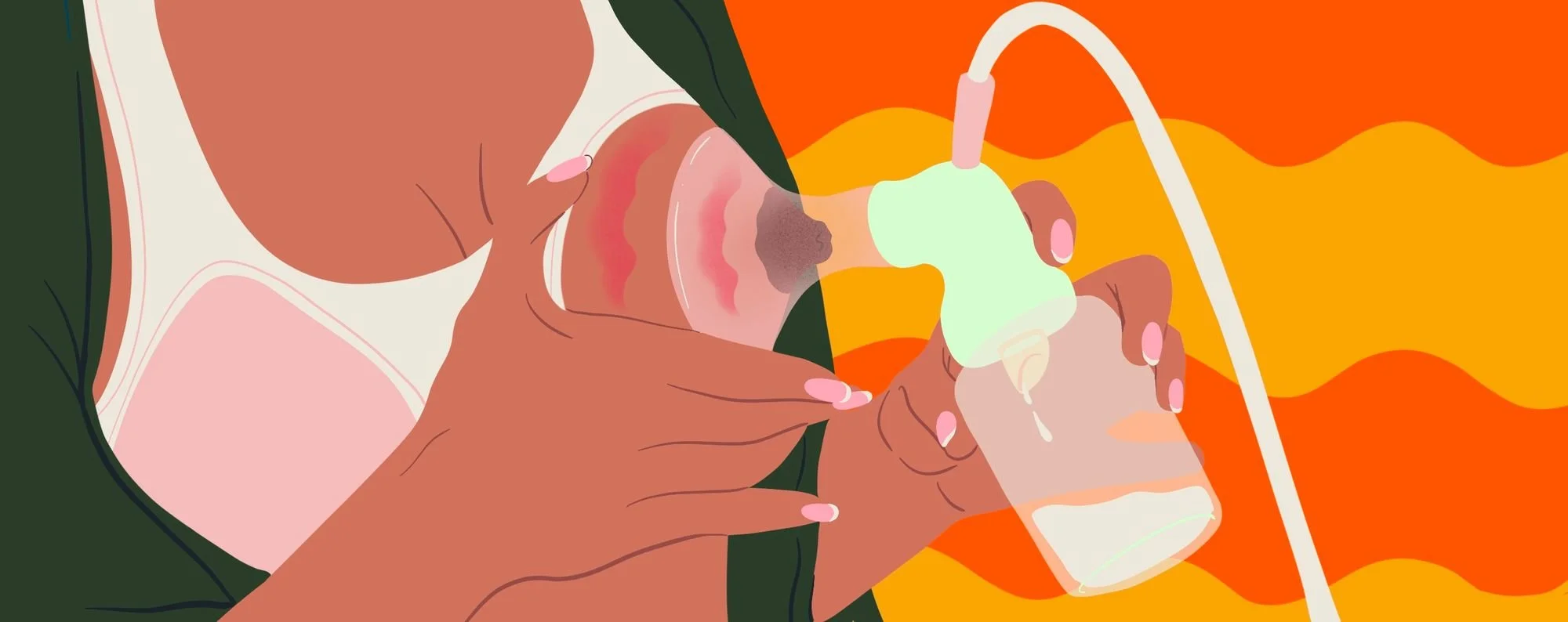
While the main cause of mastitis is milk trapped in the breast, there are some other culprits to blame.
Blocked milk duct
A clogged milk duct occurs when one or more milk ducts become blocked, causing milk to back up in the breast. This can happen when milk is not removed effectively, such as when the breast produces more milk than the baby takes in or when feedings are missed. As milk accumulates, it can block the duct and irritate the surrounding tissue. This leads to poor drainage from the affected area and may cause a tender lump, swelling, or discomfort in the breast.
Your baby not sucking/attaching properly to your breast, or preferring one breast over the other
If your baby isn’t latching correctly, they won’t be able to efficiently remove milk from the breast, which can lead to backups like clogged ducts or engorgement. Clogged ducts are not mastitis, but they can lead to it if left untreated.
Germs going into the breast
While this sounds scary, it is usually not the main cause of mastitis. Germs from the skin's surface and baby's mouth can enter the milk ducts. This can happen through a crack in the skin of the nipple or through a milk duct opening. Germs can grow in milk that stays in a breast that isn't emptied, so pumping after breastfeeding may be a good idea. While our goal here is not to fear-monger, bacteria are the primary causes of breast abscesses. An abscess develops when an infection (bacterial mastitis) goes untreated or worsens, causing a painful, pus-filled pocket to form in the breast tissue. Again, while this is a possibility, it is typically only an issue if mastitis is left untreated.
How can I prevent mastitis?
The best way to help prevent mastitis is to keep milk moving by feeding or pumping regularly and ensuring your baby has a good latch. It's important to avoid letting milk sit in the breast for long periods, but it's also best not to pump excessively or try to completely empty your breasts after every feeding unless recommended by your healthcare provider, as this can lead to an oversupply of milk.
To help maintain breast health and support effective milk removal:
Let your baby feed long enough on the first breast to soften it before offering the second breast.
Alternate which breast you begin with at each feeding to encourage even milk removal.
If your baby isn't removing milk effectively, gently massage or compress your breast while they nurse. This can help move milk from deeper within the breast and improve drainage.
If your baby is unable to latch or your breasts still feel overly full and uncomfortable after a feeding, you can use a breast pump or hand express just enough milk to soften the breast and relieve discomfort.
Another way to prevent mastitis is to ensure your baby has a proper, deep latch. As mentioned earlier, damage to the nipple can be an entryway for infection. A good sign that your baby is latching well is that you feel pulling, not pinching. Mild discomfort is normal, but it should not be overly painful. When your baby unlatches, there should not be any signs of damage to the nipple. It should look rounded, not creased, pinched, or misshapen.
Finally, proper breast hygiene is essential not only in preventing mastitis, but for your comfort as well. In between feedings, keep your nipples clean and dry. If you experience cracked or sore nipples, use a lanolin cream or consult a lactation consultant for support. Opting for looser bras and clothing can also avoid putting excessive pressure on the breasts.
Can I keep feeding from the affected side?
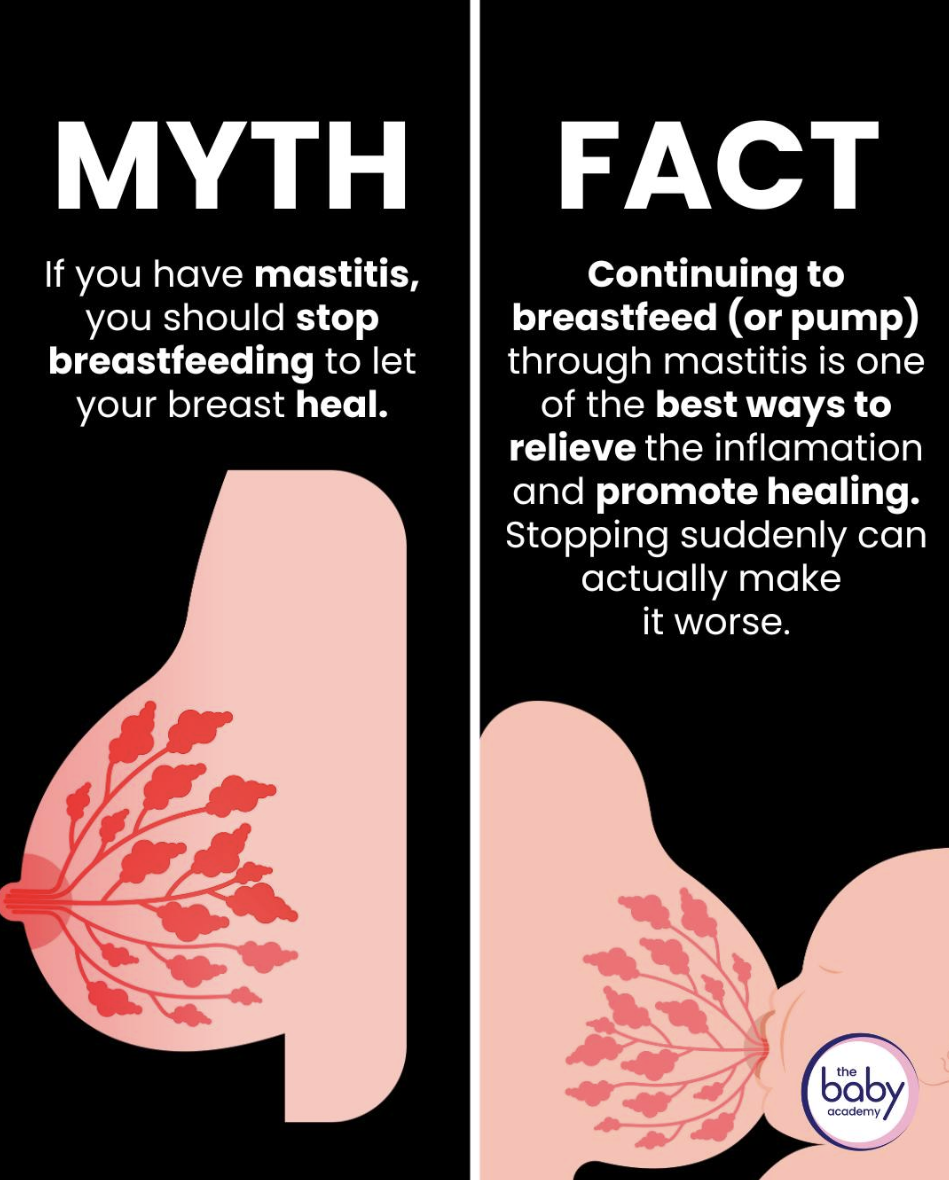
Yes! It is completely safe to continue breastfeeding even if you have mastitis. Continuing to breastfeed may even help clear the blocked duct. As mentioned before, make sure your baby has a proper latch to prevent further irritation.
What Should I Do if I Have Mastitis?
Start managing symptoms at the first signs of breast swelling or inflammation. Sometimes, your breasts may simply be engorged, and the symptoms can be managed at home. Beginning with simple, supportive measures can often help prevent the problem from getting worse. The main goals are to reduce inflammation, keep milk flowing normally, and give your body time to recover.
Take a standard dose of ibuprofen or another over-the-counter anti-inflammatory medication, if you are able to take it safely.
If you're experiencing pain or have a fever, acetaminophen (paracetamol) can also help relieve discomfort. Ibuprofen is often especially helpful because it reduces both pain and inflammation. Both medications are generally considered safe to use while breastfeeding.
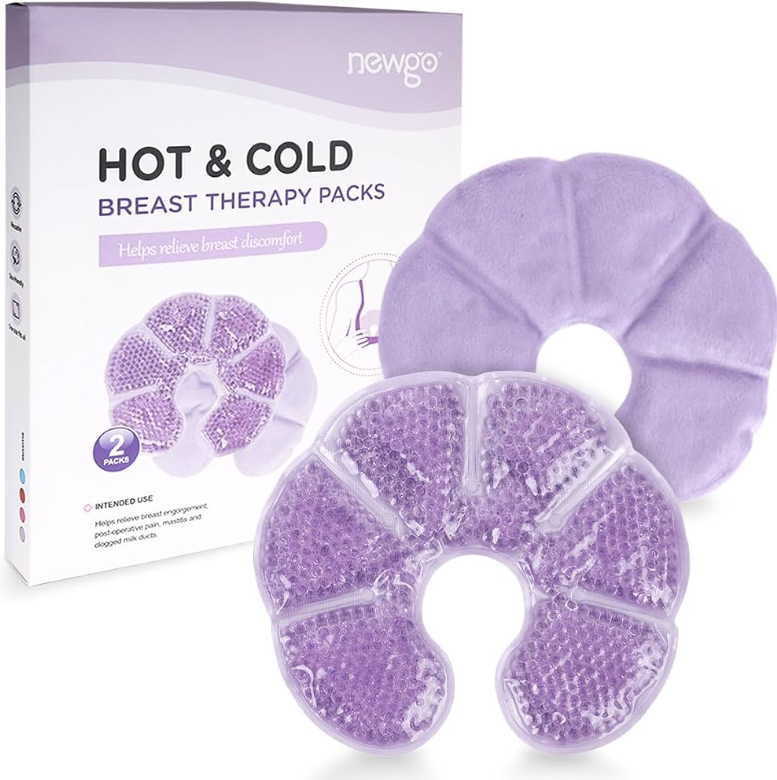
Apply a cold compress or an ice pack to the affected area for 10 to 20 minutes at a time, several times throughout the day.
Make sure to put a pillowcase or a rag over the ice pack and not to put it directly onto your skin. Cold therapy can help reduce swelling and ease discomfort. Avoid applying heat directly to the breast, as it may increase inflammation and make symptoms worse. A good option could be an ice pack like the one above.
Continue breastfeeding or expressing milk as you normally would.
Feed your baby whenever they show hunger cues, and if you pump, stick to your usual schedule. It's important to keep milk moving, but avoid trying to "empty" the breast completely or pumping more often than usual. Overfeeding, excessive pumping, or aggressive massage can increase milk production and worsen inflammation.
When feeding, make sure your baby has a deep, comfortable latch if possible.
If milk isn't draining well, gentle breast compression during a feeding may help improve milk flow. Avoid deep tissue massage or trying to force a blockage out, as this can damage breast tissue and make inflammation worse. Instead, use light, gentle strokes toward the lymph nodes near your armpit or collarbone if the area feels swollen.
Most importantly, rest and stay well hydrated.
Your body is fighting inflammation, and getting enough sleep, fluids, and nutritious food can support your recovery.
If your symptoms don't begin improving within 12 to 24 hours, or if you develop a fever, chills, worsening redness, severe pain, or flu-like symptoms, contact your healthcare provider. You may have bacterial mastitis that requires antibiotics. Seek medical care right away if you notice pus draining from the breast, a painful lump that doesn't improve, or symptoms that continue despite treatment, as these could be signs of a breast abscess.
Bottom line
You know your body the best. If you feel like your symptoms aren’t normal or don’t feel comfortable trying at home treatments, call your provider right away. While mastitis can feel and sound scary, it is a common infection that many new breastfeeding parents experience. With the proper support and treatment, you will be back to feeling like yourself in no time.
References
Coro. (n.d.). Understanding mastitis and blocked ducts. https://www.coroflo.com/understanding-mastitis-and-blocked-ducts/
Johns Hopkins Medicine. (n.d.). Mastitis. https://www.hopkinsmedicine.org/health/conditions-and-diseases/mastitis
La Leche League GB. (n.d.). Mastitis. https://laleche.org.uk/mastitis/#whatcanidomastitis
Mayo Clinic. (n.d.). Mastitis: Diagnosis and treatment. https://www.mayoclinic.org/diseases-conditions/mastitis/diagnosis-treatment/drc-20374834
Tallahassee Memorial HealthCare. (2023, August 10). How to prevent mastitis. https://www.tmh.org/blogs/how-to-prevent-mastitis
The Lactation Network. (n.d.). What you need to know about clogged milk ducts. https://lactationnetwork.com/blog/what-you-need-to-know-about-clogged-milk-ducts/