
Would you like to get pregnant next year?
What is conception planning, and why is it important?
Preconception health is a woman's health before she becomes pregnant. This means knowing how health conditions and risk factors could affect you, or your unborn child, before you become pregnant. While every person should prioritize their health, it is common for these concerns to become more important once the decision to start trying for a pregnancy is made. Did you know that your egg quality today reflects your health from three months ago. The eggs that will ovulate in the coming months are already undergoing maturation in the ovaries, a process that takes about 90 days. Similarly, sperm also takes about 74 days to fully develop. This means that the choices you and your partner make today, such as nutrition, sleep, stress management and exercise, can directly impact fertility and reproductive health several months from now.
What can I start doing today?
Here are five simple things you and your partner can start doing today to support your family planning journey. While this is not a complete list, these tips can help you prepare before speaking with your healthcare provider.
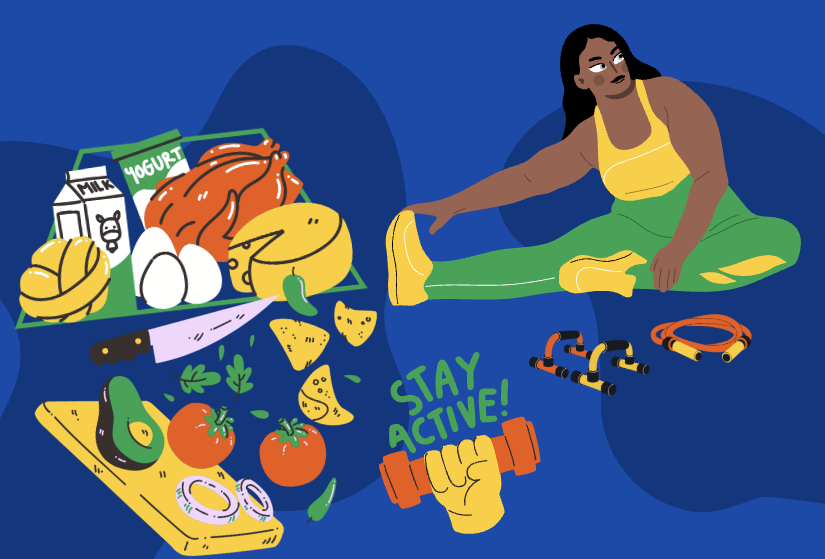
Focus on your nutrition. To preface, this doesn’t mean cutting out all sugar or completely changing your diet in one night. This isn’t sustainable or realistic, and we want to focus on making achievable goals. Don’t worry, you can still enjoy the foods you love! Having a diverse, nutrient-rich diet is important for supporting the mom and baby during pregnancy. As a result, there are no “good” or “bad” foods; food shouldn’t be labeled or looked at as such. While some foods are more nutrient-dense than others, both can be part of a healthy diet. Eating whole foods, incorporating healthy fats and eating leafy greens are great ways to focus on your nutrition while still practicing mindful eating in your daily life. It’s important to listen to your body and not ignore it, even when you want a snack that doesn’t contain every vitamin you need. You can still improve your diet without cutting out everything you love, and being mindful while still giving yourself grace is the key. Tips like weekly meal planning can help you stay focused on getting the nutrients you need. Looking up new recipes and cooking with your partner can also be a fun way to connect with them while improving both of your lifestyles. Another option is taking prenatal supplements, which can help ensure you get certain vitamins daily. Folic acid, iron, and vitamin D are just a few that can be found in most prenatal vitamins. These are important to incorporate because of the benefits they can offer you and your growing baby. For example, folic acid can prevent neural tube defects, iron may support the development of the placenta and fetus, and vitamin D can help promote the development of the baby’s teeth and bones.
Schedule a preconception checkup with your provider. This typically includes: reviewing medical history and current medications, updating vaccinations, screening for sexually transmitted infections, discussing chronic health conditions such as diabetes or hypertension, and considering genetic testing if you or your partner have any risk factors. Some medications aren’t safe during pregnancy, so it is best to discuss alternatives with your doctor.
Taking time to assess your home and workplace environment can help support a healthy pregnancy and future fertility. Talking with your healthcare provider about your daily surroundings and job responsibilities is a great way to identify any potential exposures and make adjustments if needed. For example, your provider may ask about whether you work with young children, animals, chemicals, or in laboratory or factory settings to better understand any specific environmental risks. At home, small changes can make a big difference. Improving ventilation, checking smoke and carbon monoxide detectors, and choosing well-ventilated spaces when using paints or cleaning products can help create a healthier environment. Pet ownership can continue safely during pregnancy with a few precautions. If you have cats or rodents, asking a partner or family member to help with litter box or cage cleaning can reduce exposure to germs that may affect pregnancy while still allowing you to enjoy your furry companions. Regularly checking your surroundings and removing or minimizing potential environmental hazards is an important part of protecting both fertility and pregnancy health. For more information on environmental exposures that may impact fertility and pregnancy, visit the CDC (Centers for Disease Control and Prevention): https://www.cdc.gov/niosh/reproductive-health/
Get Your Partner Involved. While you have probably already noticed, it’s harder to get your partner to do something compared to you simply doing it yourself or on your own. But again, it does take two to tango, so keep reminding them of that. Fertility isn’t something you should face alone. The male is a contributing factor in 30% to 40% of all infertility cases, so it is important that they avoid excessive heat to the testicles (hot tubs, saunas, tight underwear), limit alcohol consumption, and also maintain a healthy weight. Again, it is best to discuss their risk factors with their provider together.
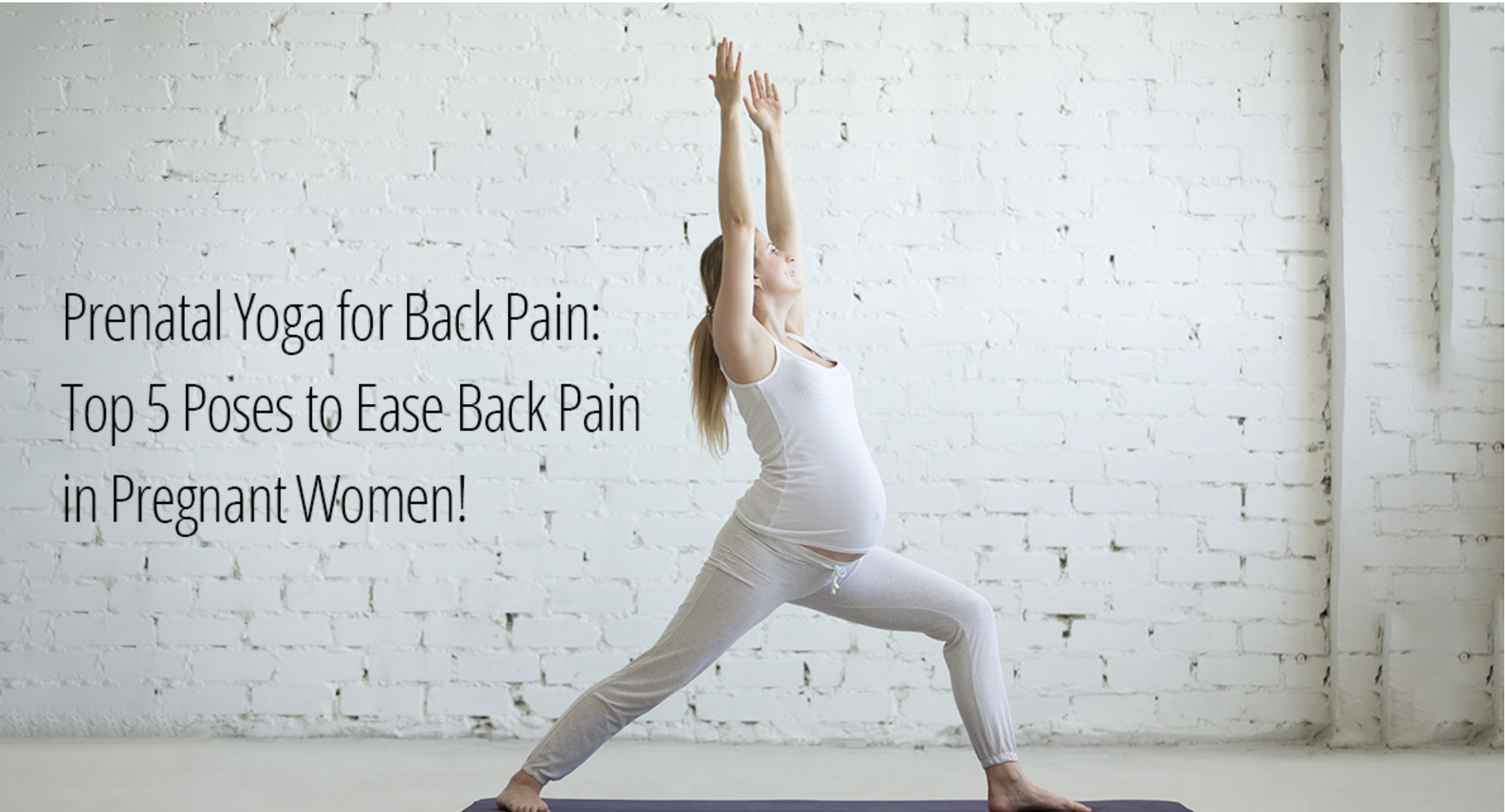
Finally, when it comes to optimizing fertility movement matters, but not in a stressful “you need to do the perfect workout” kind of way. Think of exercise as another way to support your hormones, energy, and overall health while preparing your body for pregnancy. If you’ve ever heard “just exercise more,” you already know that advice can feel vague and frustrating. The reality is that movement is not one-size-fits-all, especially if you have a history of blood sugar concerns or hormone-related conditions like polycystic ovarian metabolic syndrome (PMOS, previously called PCOS) or prior gestational diabetes. If this is the first time you've heard of PMOS and would like to learn more about what it is or what the symptoms are, more information can be found at the Mayo Clinic (https://www.mayoclinic.org/diseases-conditions/pcos/symptoms-causes/syc-20353439). For many women, especially those with insulin resistance or blood sugar challenges, regular movement can help improve how the body uses insulin, support hormone balance, and even promote more regular ovulation. Furthermore, if you have PMOS or a history of gestational diabetes, research suggests that a mix of vigorous aerobic exercise and resistance training may be especially helpful for fertility and metabolic health. That does not mean you need to suddenly train for a marathon. It can look like:
By Mrunal Pawar
Brisk walking or incline walking
Yoga videos via YouTube or in person classes
Cycling or spin classes
Swimming or water aerobics
Strength training with weights or resistance bands
Pilates or bodyweight workouts at home
Short interval-style workouts if they feel good for your body.
Movement does not have to feel boring or forced. Summer can be a great time to rethink exercise as something enjoyable instead of another item on your to-do list. Outdoor walks in the morning before it gets too hot, paddle boarding, gardening, swimming, or playing outside with family all count as movement. If the heat is not your thing, indoor options work just as well. Mall walks, yoga videos, strength workouts at home, dance classes, or even walking on a treadmill while catching up on a show all count. The goal is not perfection. It is finding movement that feels sustainable and enjoyable for you. Fertility wellness is about supporting your body, not punishing it. Small, consistent habits often matter more than intense routines you dread. Even gentle movement can help you feel more energized, improve sleep, lower stress, and support your reproductive health along the way.
What’s the timeline?
While starting a family can feel overwhelming at times, it can also be an exciting and a bonding experience. For healthy couples under age 35, about 85% will conceive within a year of trying. Most adults who begin trying to conceive before age 35 are generally encouraged to seek guidance from a fertility specialist if after one year of regular, unprotected intercourse does not lead to pregnancy. If you are in the age range of 35+ and haven’t been successful in conceiving after 6 months of trying, please reach out to an OB provider. This timeline, however, is simply a recommendation. If you have PMOS, endometriosis, previous history of reproductive issues, irregular menstrual cycles, or age considerations, seeing a specialist before the recommended 6 or 12 months could be especially helpful. Taking steps to prepare for pregnancy can help make the experience less stressful and more manageable. Most importantly, remember that you are not alone in this process, and support is always available. With patience, care, and encouragement, you can move forward with hope and confidence as you begin this new chapter.
Sources
https://womenshealth.gov/pregnancy/you-get-pregnant/preconception-health
https://pmc.ncbi.nlm.nih.gov/articles/PMC10310950/
https://www.ncbi.nlm.nih.gov/books/NBK562258/
https://macarthurmc.com/trying-to-conceive-2025/
https://pmc.ncbi.nlm.nih.gov/articles/PMC9875360/