
Allison Rollans Allison Rollans

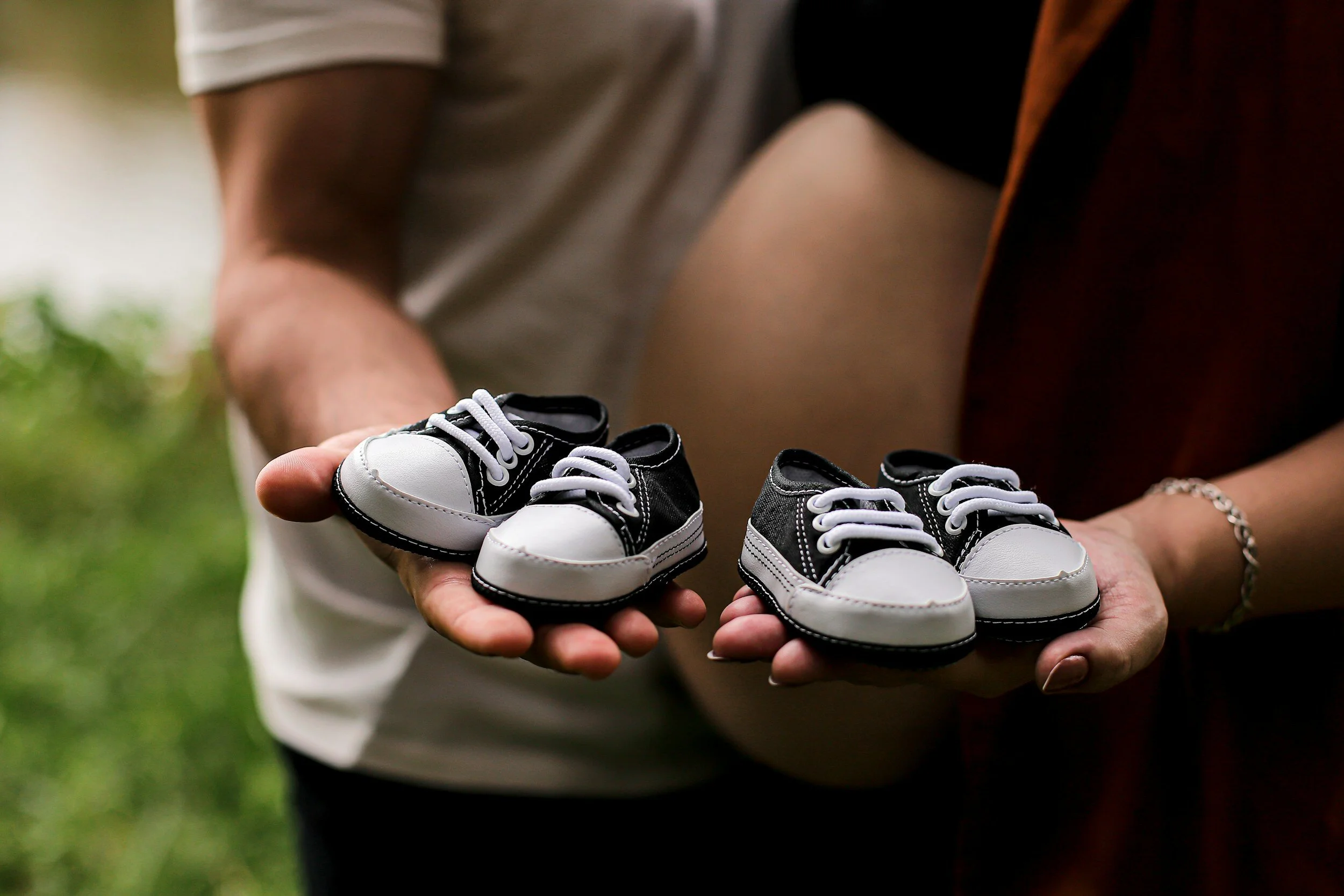
Expecting Multiples?

We understand there are thousands of things running through your mind but here is a short and honest list of things you should know as you prepare to welcome multiple babies into your life.

What Do You Need To Know?

Did you just find out you’re expecting multiples? Possibly Twins? Triplets? Or Quads? Try and stay calm, we understand this can be an overwhelming time but we’re here to help, we understand there are thousands of things running through your mind but here is a short and honest list of things you should know as you prepare to welcome multiple babies into your life.

How Multiples Are Conceived:

Sometimes conceiving twins is completely spontaneous those pregnancies account for 1 in every 250 natural pregnancies. However, conceiving multiples can also have a little push from science. With the help of reproductive technology such as IVF the chances of conceiving multiples are around 20% - 30%. There are many factors that go into conceiving multiples, but only fraternal multiples as identical multiples in any combination are completely random, there is no way to increase your chances of conceiving identical twins or multiples in any way.

Fraternal Twins:

Fraternal twins are the most common (All Twin Types) type of twins, they occur when two separate eggs are fertilized by two different sperm. In this case the twins each have their own placenta and their own amniotic sac. This means the babies can be the same gender or opposite genders. If you didn’t know already there are also several ways to increase your chances of having fraternal twins.

  • The first being genetics, if fraternal twins run on your (moms’) side of the family your chances increase of having fraternal twins. The father’s DNA does not play a part in the conceiving of twins, only whether or not the eggs are fertilized.

  • Age also increases the chances of conceiving twins; this is true for both natural pregnancies and IVF pregnancies. If you are over 35 years of age you are 4x more likely to conceive twins naturally or with the help of assisted reproductive technology than a younger woman. This is because of hormonal changes that can cause more than one egg to be releases at a time.

  • Height is another factor, when it comes to conceiving twins. Women who are at least 5’4” are about 1.5-2 times more likely to have twins than women who are 5’1” or shorter.

  • Women who are overweight, also have a higher chance of conceiving twins especially if their BMI (body mass index) is above 30. On the other hand, women who are underweight (BMI<18.5) have a smaller chance of conceiving twins.

  • Diet is believed to have an impact on your chances of having twins as well. A study showed that diets that include animal products such as dairy enhance the odds of a multiple pregnancy, so much so that it can make it up to 5 times more likely.

  • Ancestry also has a lot to do with twins and multiples. 1 out of 30 people of European ancestry will likely have a twin brother or sister. On the other hand, 1 out of 70 people of Asian ancestry are a member of a twin pair. 1 in 12 people of African, specifically Nigerian ancestry are a member of a twin pair.

  • Having twins previously increases your chances of having twins again.

  • Last using assisted reproduction treatments/technology such as IVF (In Vitro Fertilization), IUI (Intrauterine Insemination) and OI (Ovulation Induction) is also one of the main causes of the steep increase in twin births.

Identical Twins:

Identical twins or multiples are less common than their fraternal counterparts. Identical twins occur when a single fertilized egg splits and develops into two separate fetuses for twins. In the case of triplets, the fertilized egg would split three times creating three identical children, which has a probability of 1 in a million chances of happening. Identical multiples share a placenta and either share an amniotic sac or share a placenta and each have separate amniotic sacs. Genetically the children are identical, they will be the same sex, share the same physical traits and the same characteristics. Your chances of having identical twins or multiples are relatively rare, only around 3 to 4 sets per 1,000 births are identical births. There is also no way to increase your odds of having identical twins like there are with fraternal twins. Identical twins and multiples are 100% spontaneous. It is interesting to note that triplets or any other higher order multiples can be identical, fraternal or a combination of both, not one or the other.

Diagnosing A Twin Pregnancy:

You likely found out you were having twins or multiples through an ultrasound, as this is primarily how most people find out they are carrying more than one baby. During an ultrasound, sound waves are used to create images of your uterus and baby – or in this case babies! Unfortunately, sometimes a seemingly normal twin pregnancy is later found to only have one baby. This is known as vanishing twin syndrome. Such an episode can be heartbreaking, frustrating, and confusing. Often there is no clear explanation for the loss.

What Multiples Mean for You:

Taking care of yourself is the best way to take care of your babies. You can expect:

  • More frequent checkups – you’ll need to see your healthcare provider often to track your babies’ growth and development, monitor your health, and watch for signs of preterm labor. You might need frequent ultrasounds or other tests, especially as your pregnancy progresses.

  • More weight gain – gaining the right amount of weight can support your babies’ health. For twins, the recommended is typically 37 to 54 pounds (or about 17 to 25 kilograms) for women who have a normal weight before pregnancy. This can typically be accomplished by eating an extra 600 calories a day. Work with your healthcare provider to determine what is right for you.

  • Earlier Delivery – if labor doesn’t start on its own first, your healthcare provider might recommend labor induction or a cesarian birth at a certain point in your third trimester to decrease the risk of complications throughout the rest of the third trimester. Twin deliveries are around the 37th week of pregnancy, which is considered full-term. However, they rarely last that long, and twins are often earthside around the 35th week mark.

  • One Pregnancy, Multiple Children - having multiple children is also like a 2 for 1 deal or any other combination of multiples for 1. This can be especially beneficial if you are someone who had/is having a difficult pregnancy but always wanted multiple children.

  • Automatic Siblings - having multiples means that your babies have built in siblings, especially if this is your first pregnancy. Multiples have already spent months togethers and moving forward will continue to grow and develop at similar paces.

  • Expenses - having multiple children at once can also cost quite a few extra dollars. Not only do you have to buy two, three or four of many things or even 20 or 30 of others like bottles but you also have expenses like diapers, wipes, and medical bills to cover, that you would normally only have to cover for one baby at a time not multiple.

Sources:

Read More
Allison Rollans Allison Rollans

Navigating Mental Health For Parents With Multiples

Parents of multiples experiences prenatally can also be different. There is often more likelihood of health concerns for you or your babies. Your babies are monitored closely throughout the pregnancy, this just ensures that everyone is healthy. Carrying multiples involves more of a time investment than carrying a singleton due to additional visits and testing. Being a parent to multiples there are financial struggles surrounding the care of your babies and having to provide double the amount of childcare and feeding costs. This increases the likelihood of experiencing anxiety, or PMADs.

Are you preparing for or are getting ready to to give birth to twins or more and experience unexplainable emotional ups and downs? then this blog post is for you! 

According to Twinstrust, Provider Erika Fraser reports that mothers of multiples are at a higher risk of experiencing perinatal mood and anxiety disorder (PMADs). Additionally, Brigham and Women's Hospital states that symptoms of postpartum depression may emerge in one or both partners a few weeks or up to 1 year after giving birth. But if mothers, partners, family members, and or friends are able to recognize the warning signs and get the condition diagnosed and treated early on, this will reduce or even eliminate the symptoms and you can focus on caring for your babies and yourself. 

Signs and Symptoms of PMADs

Although these are some symptoms you may experience, every person is unique and seeking professional help will help you to identify, To learn more about signs and symptoms please visit our other blog post here.

Easy Strategies to Reduce Anxiety and Stress

Some strategies to help reduce anxiety and stress can be beneficial in keeping you at ease. Finding a release for your anxiety can come in different ways. For example, while waiting in the waiting room for a check-up visit, practicing deep breathing, listening to music, and or bringing a support system with you to keep you company are great ways to reduce stress and anxiety. Also, prepare or write questions down for you and your provider to review when something comes to mind. Other healthy ways to reduce anxiety and stress outside of provider visits can include, going for a walk, meditation, prenatal yoga, trying a new stress-free hobby, or for more knowledge you can attend childbirth/childcare classes. For more information on certain classes that High Country Doulas offers you can locate them here. 

Mental Health Terminology and Getting a Better Understanding

What is PPA or post-pregnancy anxiety? It's anxious thought patterns that interfere with enjoyment and calmness after childbirth. PPA can be brought on by past experiences where things do not go as planned, things happen unexpectedly, fears, or you may not understand where those feelings are coming from. Symptoms can occur alongside it and include those that closely mimic PMADs. Symptoms like shortness of breath, panic attacks, dizziness, numbness and or tingling, etc. If you are experiencing any of these symptoms it's best to see your health provider to ensure nothing else is underlying. Certain symptoms that are associated with PPA Can feel similar to conditions like high blood pressure, etc. Reach out to your provider to get a full picture of the causes.

What is Postpartum OCD? Well, mothers who have post-pregnancy anxiety are more likely to suffer from postpartum OCD. This means mothers can get overly obsessive about specific things like bottles having to be made a certain way, cleaned in particular steps, etc. Or if something doesn't happen exactly how they want it to then fear arises. This stems from the lack of being able to help the overall health and wellness of their babies so they want to be in control of other things. Post-Traumatic Stress Disorder (PTSD) can be caused by a traumatic childbirth or a past trauma during pregnancy. Or from a fear of the babies' well-being or personal well-being if they have a cesarean birth.

Fears and Anxiety Surrounding After Birth of Multiples 

Also, 1 in 5 mothers think they may have had PMADs, but do not receive medical confirmation or treatment. Mothers of multiples are more likely to experience health problems or be born prematurely. Also, mothers who have gone through the process of IVF are more likely to have multiples which can add to the risk of PMADs. To learn more information about NICU and prematurity visit here.

Parents of multiples experiences prenatally can also be different. There is often more likelihood of health concerns for you or your babies. Your babies are monitored closely throughout the pregnancy, this just ensures that everyone is healthy. Carrying multiples involves more of a time investment than carrying a singleton due to additional visits and testing. Being a parent to multiples there are financial struggles surrounding the care of your babies and having to provide double the amount of childcare and feeding costs. This increases the likelihood of experiencing anxiety, or PMADs.

While many mothers may not be receiving medical confirmation or treatment, they also may face care that is delayed or aren’t receiving care within a timely manner. If you are experiencing the signs and symptoms of PMADs there is indeed an option for you. 

If you would like to read more about postpartum here is our other blog post. This will help you understand more about the changes your body is going through. You don’t have to feel alone, there are many different options to help make you feel YOU again. Provider Fraser states that “just because postpartum depression is common, please don’t feel that it is ‘part and parcel’ of being a mother of multiples – you don’t have to suffer in silence”. 

Ways to Receive Postpartum Support: You’re Not Alone!

Being Open to Talk: Don’t Be Afraid to Speak Up

Sharing your emotions and accepting that you need help is the first stage towards feeling better. Although this step is never easy it will lead you in the right direction. Express concerns freely with your doula, doctor, partner, family, or friends if you're uncertain about what direction to go in. A partner can address signs by giving support to the mother and reassuring her that she’s doing the best that she can. A partner should be encouraging, uplifting, and supportive through this time. Looking into different ways to receive support can also be used interchangeably and having more than one way to be treated for PMADs is normal. You and your partner could be suffering after becoming parents to twins and that’s perfectly okay. Having one baby is already difficult enough but raising two is an extra challenge. Being parents to twins isn’t impossible and you're fully capable of taking care of two newborns!

Psychological Therapies & Counseling

Is it normal for parents to reach out for help? Yes, absolutely! ask your doula for advice or help, look into psychological therapies or counseling, or join an in-person or online support group, like Facebook. Support groups can cater to your needs such as specifically parents engaging with each other, giving advice/or suggestions, or specifically talking about certain topics like postpartum, twin pregnancy, being a teen mom, parents to those who have given birth to medically fragile babies, etc. There are many different options for mothers and partners to navigate through the struggle of becoming parents to twins. 

 A provider can also prescribe antidepressants to help ease the symptoms of PMADS. When taking antidepressants you can combine therapies and make accommodations to your needs. If your doctor thinks talking therapies may help, you could be referred to a Mental Health Specialist such as a Clinical Psychologist, Psychiatrist, Cognitive Behavioral Therapist, or Community Psychiatric Nurse. There are different types of psychological intervention. According to Provider Fraser Interpersonal Psychotherapy (IPT) is often the preferred choice for psychological approaches to treat postnatal depression. This type of therapy will focus on current problems or relationships and nothing regarding childhood or development issues. Your therapist will talk with you about your depression and current relationships to see how they are connected and how positive changes can occur. 

PSI Helpline: Contacting Someone Directly

When calling or messaging the PSI helpline you’ll never have to leave a confidential message. Someone who is a trained and caring volunteer will return your call or text. They are there to listen, answer questions, offer encouragement, and connect you with local resources as needed. The number can also directly assist in finding help near you. 

The PSI directory can be found here and it can also allow you to connect with knowledgeable providers near you in person and with online services for convenience. When looking for a knowledgeable provider make sure you look for someone who is best suited for you and your needs such as someone who specializes in PMADs, or other areas that need focus. 

Pharmaceutical Therapies

Taking antidepressants/pharmaceutical therapies could be very beneficial in treating those who are suffering from postpartum depression. PMADS can be treated, either by medication (antidepressants), psychotherapies, or ‘talking treatments’. Early treatment is vital and it is important to get help, as untreated anxiety disorders cause distress to you, your partner, and your family.

Postpartum is typically associated with the mother, but fathers can also suffer from postpartum. Fathers can suffer from postpartum in different ways such as not showing emotional expressions and being reluctant to talk about their suffering. If someone you’re living with such as a partner is suffering from depression they should seek out professional help. A partner who is suffering can create an atmosphere that is deeply distressing and tiring for the mother without sometimes realizing it. Doing this will be beneficial to both individuals and will make parenting easier.

Herbal Treatments? Well, essentially there has been some supporting evidence towards traditional supplements like St.John's wort to be used to treat depression, but shouldn’t be taken while breastfeeding, and or be taken with other medications like antidepressants. It's advised to discuss St.John's wort with your doctor or health advisor about the usage of St.John's wort or other supplements. 

Applying Practical Tips: Day-to-Day Life 

Do you ever feel overwhelmed being home while taking care of twins? As for being a parent, there should be a balance in all parts of your life.  You should be able to spend time with your partner, family, and friends, and also other children. Thinking about ways to be able to spend time with all your children and taking care of two newborns can be a challenge. Engaging with your other children in activities that they love will bring them so much joy and happiness, some activities can still mean that you can take care of newborns and spend time with your other children such as watching a movie together, reading books, play time, etc. Also preparing ahead of time before the newborns arrive will significantly reduce excess stress when it comes to making sure your other children are being taken care of. If you have older children let them be involved in helping (depending on the age gap). Also, another tip is to keep other children and newborns on a schedule. Prepping as much as you can the night before, will help save you time to put your focus elsewhere on what is needed for the next day. Prepping can include meals, designating a location for items, and creating a to-do list to stay on track.  Asking for help with the housework, the babies, and older children is an easy way to reduce stress and your partner, friends, family, and neighbors are a great source of help. 

Additionally, if you're unable to get help at home, hiring someone to help with the housework or childcare is another way that could allow you to be able to feel reconnected with yourself. Reach out to postpartum doulas as they can provide both parents peace of mind. Postpartum doulas can ensure that your babies are well taken care of and are in good hands. Postpartum doulas can also act as a support and help guide you through this process.  Additionally, make sure you're getting enough sleep for both parents, not just the mother, and splitting up the times between nightly feedings to get a few hours of extra sleep is essential to be able to function. Just remember it does get easier over time as the first 3 months typically are the hardest. Read more here about growing your support system, the importance of sleep, putting boundaries in place, and more ways to add practical tips in day-to-day life, etc. 

Just as a Reminder: High Country Doulas Are Here For You!

At High Country Doulas’ we understand the struggles you're going through and that’s why we provide several different services to bring comfort to you and your family. Part-time, night-time, and live-in care options are readily available to you. Doulas’ are here to answer any questions or concerns you may have. At High Country Doulas’, we love taking care of you and your whole family. We want to be here for you before, during, and after your delivery to ensure you are comforted and at ease.

Sources

https://twinstrust.org/asset/$959D6BBA-2F4F-48EA-B3C85ACE89BD128F/

https://www.brighamandwomens.org/campaigns/mfm-nicu/postpartum-as-parent-of-twins-or-triplets


Read More