
Healing Expectations Vs. Healing Reality
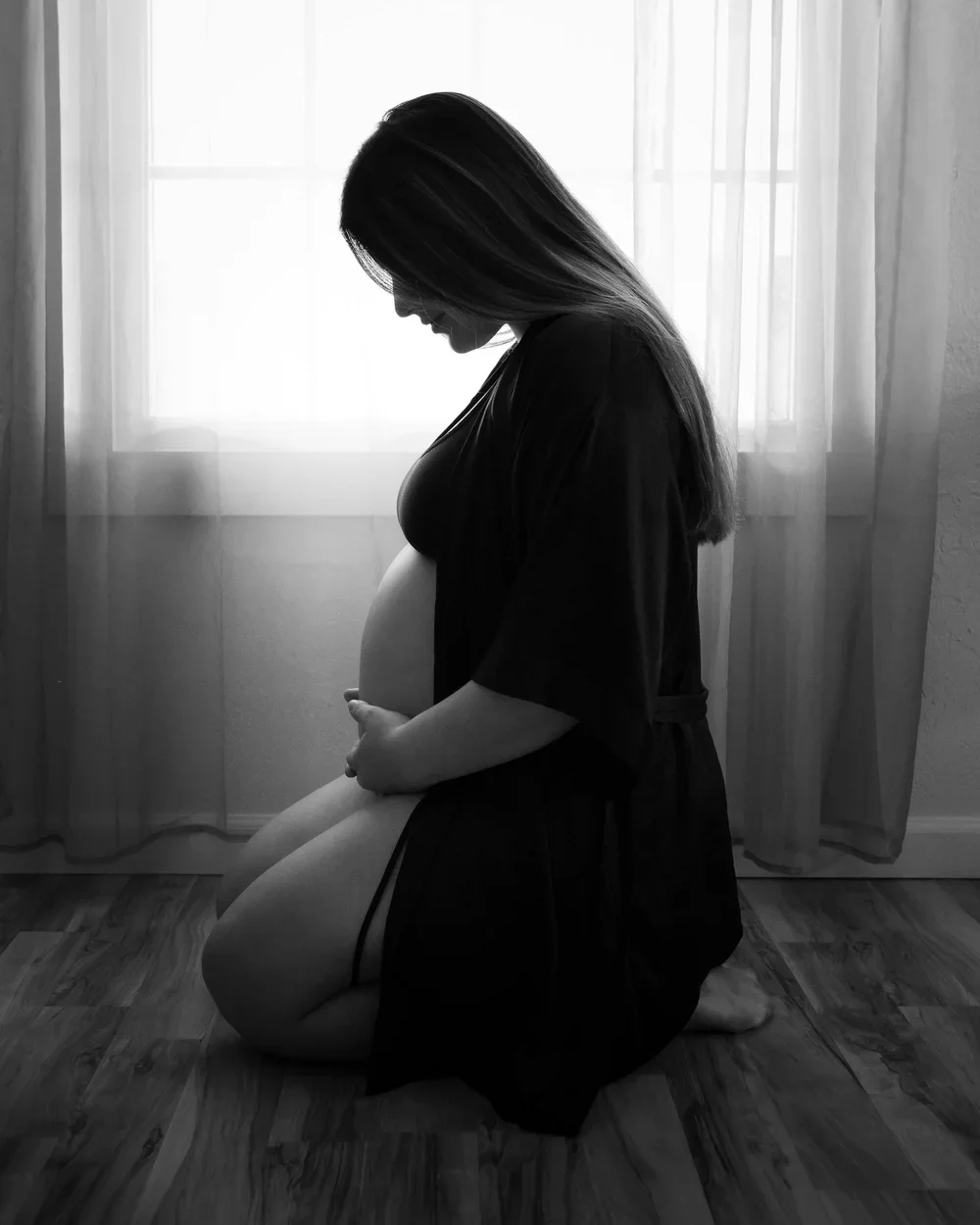
As a new mother, you may be uneasy about the postpartum process. The reality is that the healing process is never easy–and it was never meant to be. This is a place that mothers are aware of, the delicate months following the delivery. The mental and emotional interruptions that mothers experience even in quiet moments, the mood swings that may be stressful or disheartening, and the profound, deep love that waits beside the fatigue. Postpartum is not about “bouncing back” it’s about becoming someone new. This is something that is worthy of compassion and honesty which is hard to give oneself but with the correct support, knowledge, and resources, even this grueling process can be turned into something beautiful.
“Being a mother is learning about strengths you didn’t know you had and dealing with fears you didn’t know existed.”
The Expectations We Carry Into Postpartum
Most mothers go into postpartum with a picture of how their time may unfold. Whether it’s feeling ‘like themselves’ by a certain week, having to bounce back physically, or doing it all gracefully, it’s the social pressure, celebrity culture, and the existing notions of productivity and post birth body image that shape these expectations. According to Psychology Today, “Expecting every mother to shed pounds quickly—particularly while breastfeeding—sets up harmful and unrealistic expectations.” As moms form expectations based on these messages, she may be silently judging her own recovery.
When Reality Doesn’t match the plan
The reality after childbirth is surreal. Your body, feelings, and relationships are all adjusting and getting used to everything at the same time. And this does not often work within a perfect six weeks. As stated by Cleveland Clinic, “Most often, the postpartum is the first six to eight weeks after delivery…but the symptoms and changes that occur during the postpartum period can last far beyond eight weeks.” Physical recovery can include symptoms such as the shrinkage of the uterus, tissue repairs, and hormonal regulations. As well as emotional recovery, which is usually even more prolonged and can be more difficult to manage. They both should be allowed lots of patience, care, and space throughout this process.
Healing Is More Than Physical Recovery
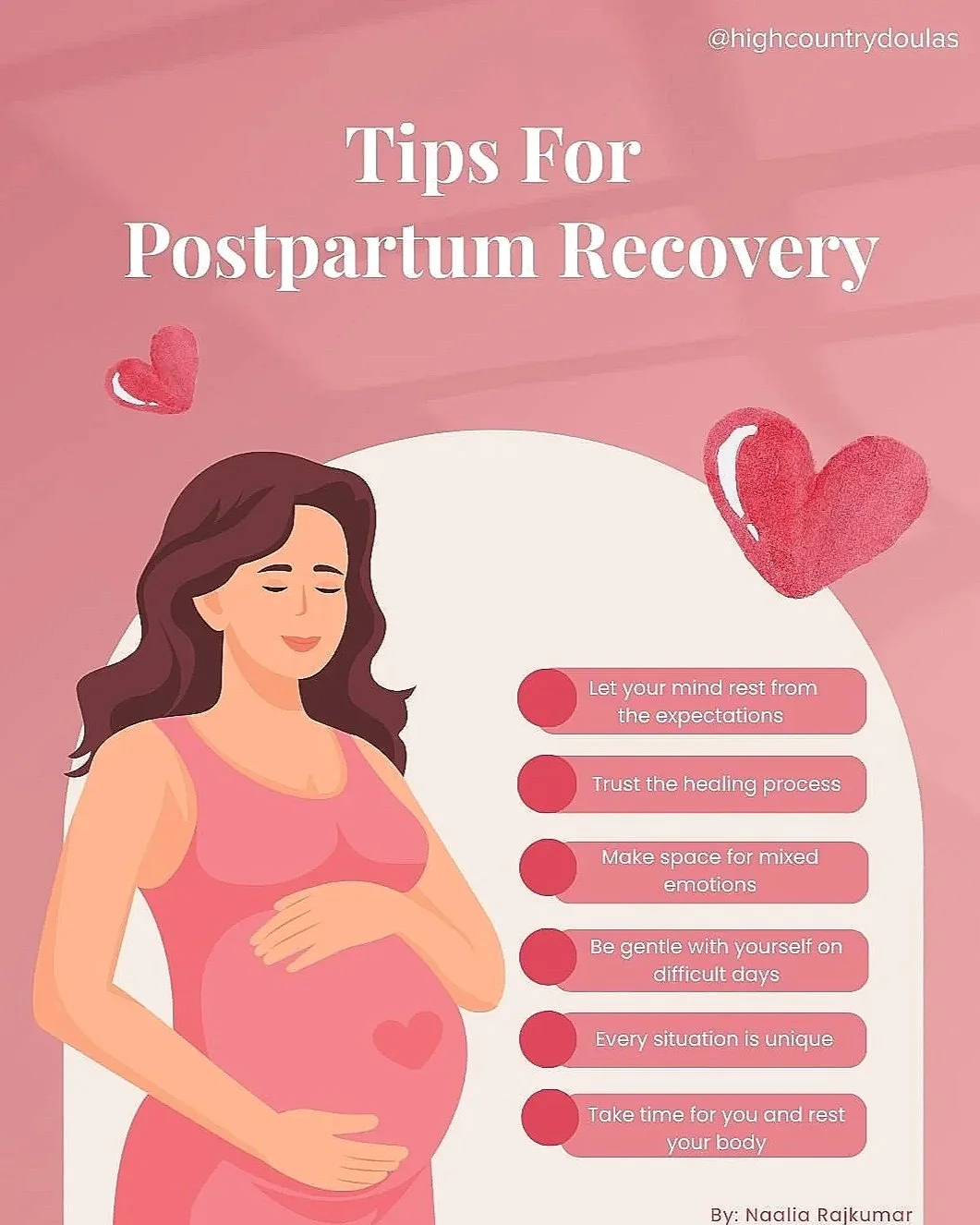
Although there is a lot of physical healing during the initial weeks, studies and clinical recommendations always indicate that postpartum healing is a physical and emotional process. The Cleveland Clinic states, “Your body goes through many physical and emotional changes during this time, with some symptoms lasting months after you give birth.” There are days that are going to be lighter and other days that will be heavy or doubtful. Healing is not easy but everything you will experience is part of the process.
Letting Go Of The Timeline
Allowing yourself to not abide by a strict timeline is one of the best gifts you can give yourself after giving birth. The old notion that a single postpartum visit should be enough to heal yourself is not realistic or applicable. According to Pelvic Health Experts, “The reality is some people will feel great at 6 weeks postpartum, and many will not. Setting realistic expectations for yourself is such an important part of a healthy recovery…normalize a 6-18 month postpartum recovery.” The lack of speed and strength, the need to rest, and/or seeking external support doesn’t mean you’re weak, it’s all part of your own healing process and that is okay.
Making Space For Mixed Emotions
Postpartum can incite a wild range of emotions within you. It can be full of love or loneliness. And feelings of hope or overwhelmingness. These feelings do not invalidate one another, they co-exist. Psychology Today states, “ Instead of being seen as evidence of strength, healing, and adjustment, postpartum bodies are too often framed as problems to be fixed.” Postpartum healing strongly depends on the individual, which means one should never minimize their own feelings. Expressing them is better than holding it all in, which is a powerful part of the process.
Redefining What “Doing Well” Looks Like
Doing well postpartum does not imply being in control of things and behaving in a way that satisfies your own expectations. It may look like nourishing your body, taking a quick walk outside and getting fresh air, asking for help, or taking a break when your body needs it. Healing in reality becomes much easier if you are not afraid to voice your needs, and voicing them doesn’t make them any less significant.
A Gentle Reminder
Always remember, you are not behind, you are not failing, and you are not alone. The process of healing post birth occurs in layers and every layer is important and should be taken care of with the utmost attention. Postpartum is not meant to have any specific appearance, standard, or structure. You have nothing but your own experience and that's valid exactly as it is.
Postpartum healing is not about going back to the person you used to be. It’s about honoring who you are becoming as a new person with love, gentleness, and encouragement.