White Noise for Infants: Understanding Hearing Health
Is your baby sleeping? Have you thought about using white noise to help with sleep? A common topic doulas discuss with new parents is sleep. Sleep is imperative for physical and mental health for the infant as well as you, the parent. Many parents have found that white noise devices are a new essential tool for bedtime routines. These devices create a calm, quiet environment that helps aid in deeper sleep and helps lower stress for parents around an infant’s sleep schedule. Just like anything that is good it comes with slight moderation. So, let’s dive deeper into how you can keep that stress free sleep routine and mix in safe practices for your infant.

What Is White Noise?
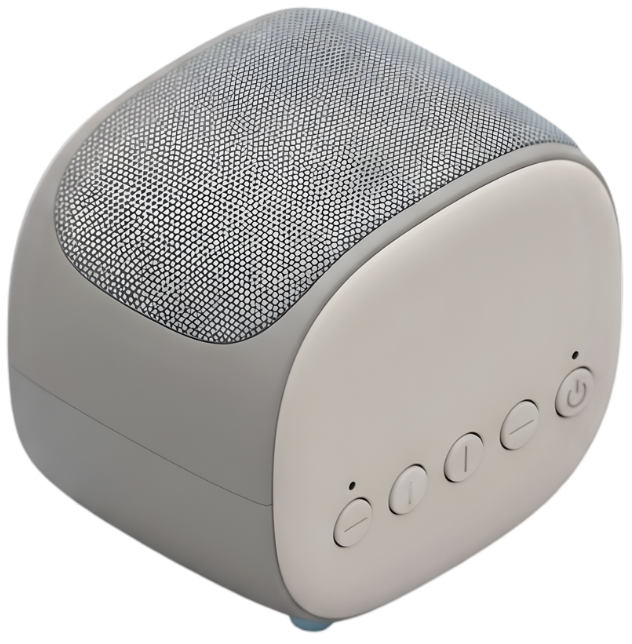
White noise devices use a blend of sounds that creates a calming effect for infants. The sound that is admitted from the device causes infants to fall asleep quickly and stay asleep longer. This device has become an essential tool for parents with restless infants. It also aids in helping parents that are exhausted and just need a quick solution to give them their sleep back. It’s also important to make sure this quick fix is safe just as much as it is helpful.
What About The Research?
Since white noise devices have become so commonly used to soothe babies, researchers have taken a closer look into how these devices work. Some studies have found that certain white noise devices are capable of reaching sound levels that may be too loud for an infant’s developing ears. One study published in the International Journal of Pediatric Otorhinolaryngology noted that at maximum volume, over half of the devices tested exceeded 85 decibels. A normal conversation ranges around 25 to 50 decibels. Prolonged exposure to loud sounds early in life has been linked to possible effects on inner ear development, which may increase the risk of hearing challenges later on.
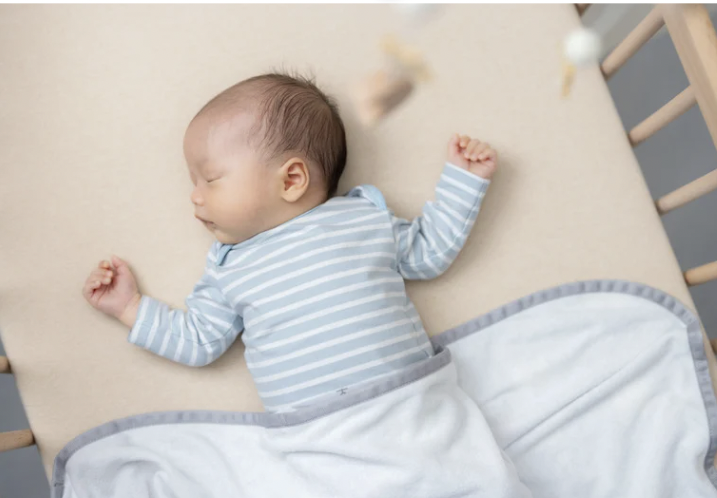
Beyond hearing health, there is also discussion around whether constant noise could contribute to stress or discomfort for some babies. Every baby is unique, with their own preferences and sensitivities. As Dr. Daniella Grant shared with TODAY.com, “some babies simply may not enjoy white noise, much like a baby who repeatedly refuses a pacifier”. This is why tuning into your baby’s cues is so important. If something seems to calm your little one, that’s valuable information. And if it doesn’t, that’s okay too. Supporting parents means honoring both the science and the deep connection you’re building with your baby.

Helpful Tips While Using White Noise
Every parent wants to care for their baby in the most loving way possible. In those early days, safety is often at the top of a new mother’s mind. If white noise is something you find helpful for your baby, a few mindful tips can help make its use both safer and more helpful for your little one.
Check The Volume and Keep It Down
Take a moment to check the volume setting on the white noise device you’re using. A softer sound is often just as soothing, without being overwhelming. Dr. Daniella Grant explains, “... you want to make sure that the noise machine isn’t so loud that you can’t hear your baby crying or upset.” Many devices can become much louder at full volume, so keeping the sound gentle can help protect your baby’s sensitive ears.
Increase The Distance
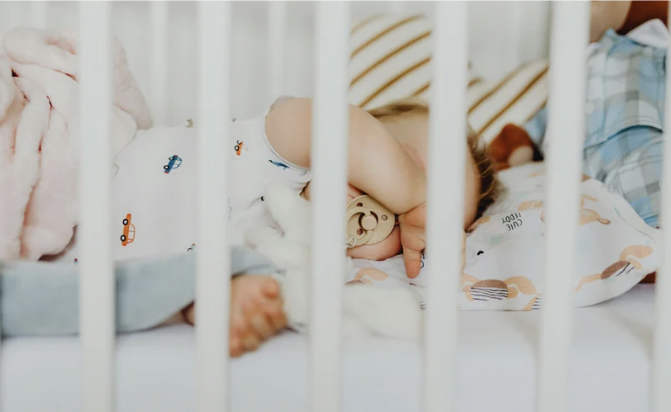
Where the device is placed matters just as much as how loud it is. The American Academy of Pediatrics recommends keeping noise machines at least seven feet away from where your baby sleeps. Placing the device farther from the crib allows the sound to soften as it reaches your baby, helping reduce the risk of overstimulation or potential hearing concerns.

Limit The Amount Of Time
Using white noise can also mean being mindful of how long it’s playing. Research published in the International Journal of Pediatric Otorhinolaryngology suggests that prolonged or excessive exposure may increase the risk of hearing-related concerns in infants. Instead of running white noise all night, consider using it as a cue for falling asleep. Once your baby has settled into deeper rest, you might think to turn it off or down. Being conservative with how often white noise is used can also help prevent your baby from becoming dependent on it, allowing them to develop their own natural sleep schedule over time.
Final Thoughts
White noise devices have become a helpful and comforting tool for many families, especially during the early months when sleep can feel like a battle. While they can be incredibly useful, remember to practice the few tips that can offer a peace of mind. Above all, trust your gut. Deep down you know what is best for your baby. You got this!

References
https://www.today.com/parents/babies/white-noise-for-babies-rcna137447
https://www.sciencedirect.com/science/article/abs/pii/S0165587621001506
https://www.sciencedirect.com/science/article/pii/S1389945724001588?casa_token=y9pxDsJUNlUAAAAA:PgYSU1WhjNWA1h2FE6Xe7KsB4SYx3pe-LxzjAuOYguNDPUeHfDb31PwoCF-Au5pf0feXmq6kEFM